
Haribo
Filter By Category
- Fanta
- Flipz
- Fluffy Stuff
- Frooties
- Fun Dip
- Gatorade
- Goetze's
- Goldfish
- Guinness
- Haribo
- Harry Potter
- Hata Ramune
- Hawaiian Punch
- Heinz
- Hello Kitty
- Hello Panda
- Hershey's
- Hi-Chew
- Hostess
- Hot Tamales
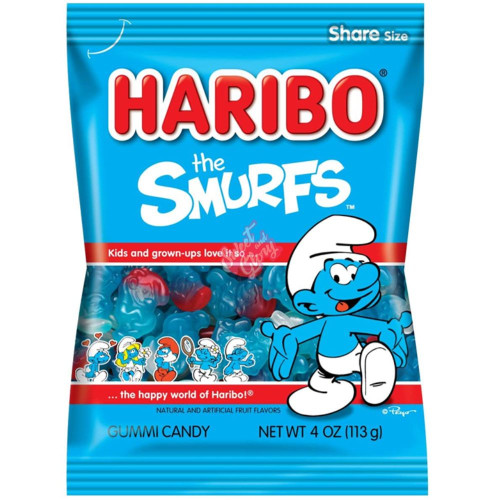
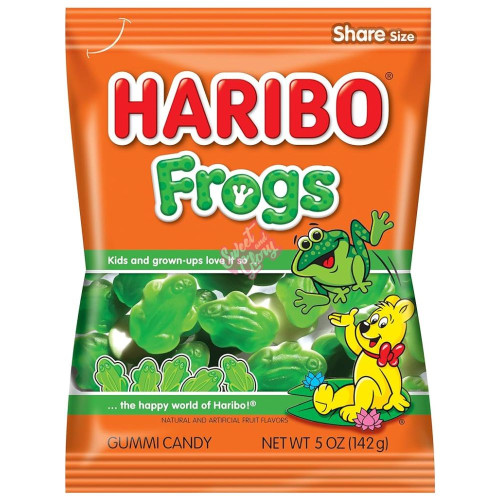
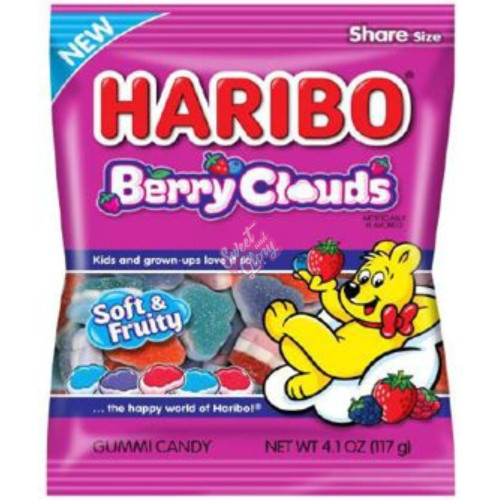
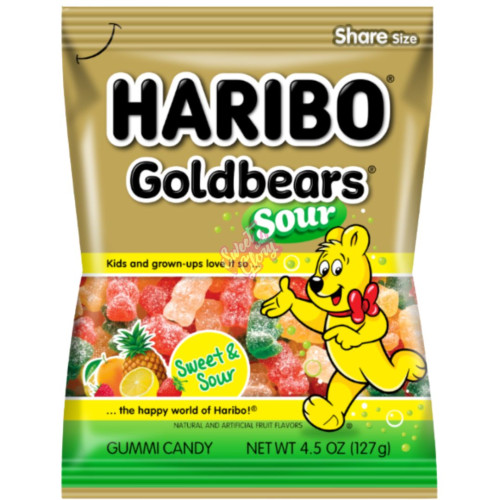
Haribo — the gummy bear was modelled on a circus act.
Hans Riegel registered his company in Bonn in 1920 with a sack of sugar, a copper kettle and a marble slab, working out of the back of his house. The name is simply his own address, compressed: HAns RIegel BOnn. His wife delivered the sweets on a bicycle.
Two years later he made the thing that would outlast everything else. At German fairs at the time, dancing bears were a common attraction — trained animals performing for crowds — and Riegel shaped a soft fruit jelly to look like one. He called it the Tanzbar, the dancing bear. It was larger and thinner than the modern version, sold from jars for a pfennig, and it worked because children recognised what it was before they knew what it tasted like. The gummy bear now exists in some form in almost every confectionery market on earth, and all of them descend from that one.
The company is still based in Bonn and still family-controlled a century later. What has changed is the geography: Haribo now produces in Germany, Spain, Turkey, France and the United States, and each market gets its own range. That is the reason a German gummy bear and an American one taste different, and it is the reason importing the brand makes any sense at all.
Sweet and Glory stocks imported and specialist Haribo wholesale for UK retailers.
The Haribo Range
We do not stock what a supermarket already sells. The range here is built from the lines UK retail does not carry, and it divides three ways.
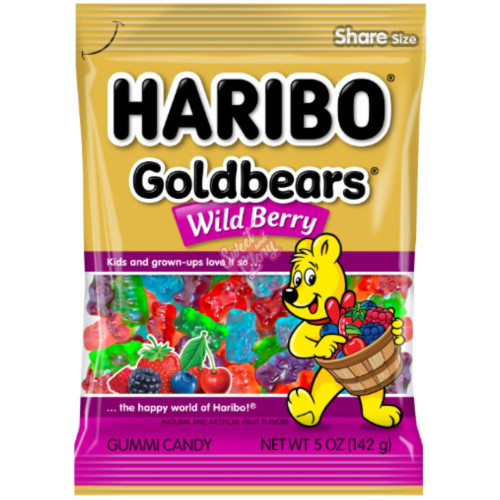
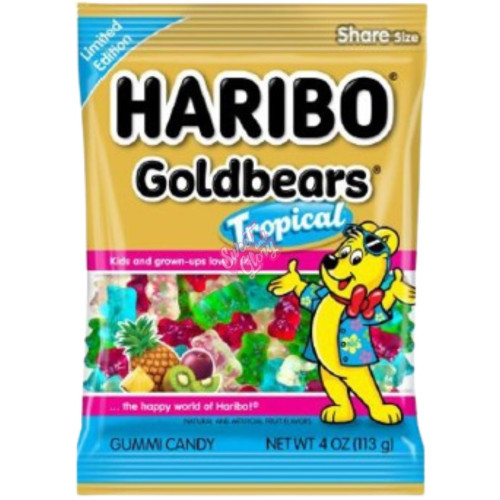
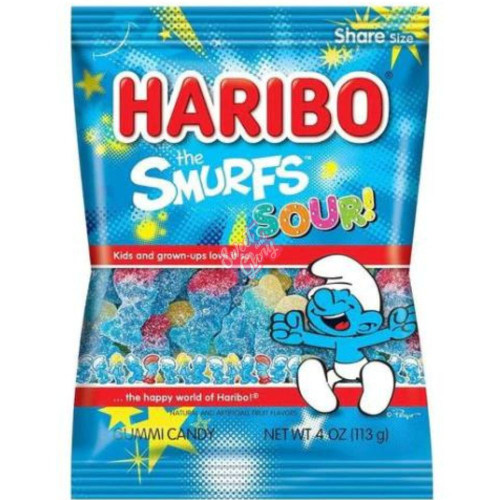
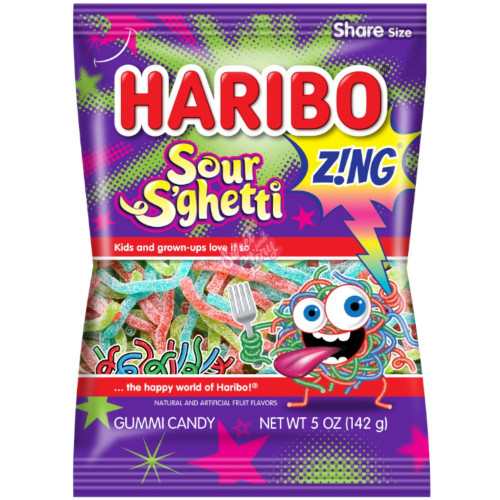
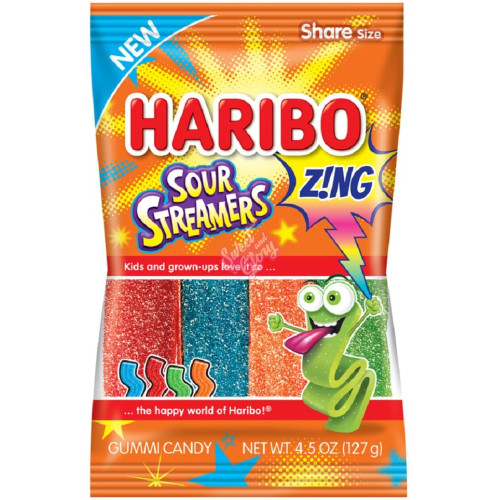
American production brings Gold Bears in US-market flavour mixes rather than the standard assortment. Continental European lines bring shapes made for mainland markets — liquorice pretzels, salted shapes and the sweets sold in Dutch and Belgian shops rather than British ones. And a sour and novelty tier covers sour versions of the classics alongside shapes that exist for the fun of them.
Formats run from small peg bags up to kilo and multi-kilo bags for pick and mix. Individual lines rotate with each shipment, so it is worth checking the current range for what is in stock now. UK compliance labels are supplied with every order.
Why Stock Haribo?
Haribo needs no introduction, which is both the opportunity and the problem. Every customer already knows the brand, but they can also buy the standard bags in any supermarket at a price a small shop cannot match. Stocking the same lines is a losing position.
The imported and continental lines change that entirely. They carry all the recognition of the name with none of the price comparison, because there is nothing to compare them against — a customer who finds a shape or flavour they have never seen has no reference point for what it should cost. That makes an import range a genuine reason for someone to come to you rather than the supermarket, and the large pick and mix formats give the same brand a second position in the shop at a completely different price point.
For the American range specifically and how it differs from the UK version, read our guide to American Haribo.
Frequently Asked Questions
Why is it called Haribo?
It is the founder's name and address run together. Hans Riegel started the company in Bonn, Germany in 1920, and built the name from HAns RIegel BOnn. It is one of the few global confectionery brands whose name is essentially an abbreviation of a postal address.
Who invented the gummy bear?
Hans Riegel, in 1922. He modelled it on the trained dancing bears that performed at German fairs at the time and called it the Tanzbar — dancing bear. The original was taller and slimmer than the modern shape and was sold loose from jars. Every gummy bear made anywhere in the world descends from it.
Is this the same Haribo as the supermarket?
Same brand, different selection. We import the American and continental European lines and the sour and novelty shapes rather than the standard bags UK supermarkets already carry, so the range complements what customers can buy elsewhere instead of competing with it on price.
Where is Haribo made?
Bonn is still the home of the company, but production runs across Germany, Spain, Turkey, France and the United States. Country of origin varies by line, which is why shapes, flavours and recipes differ between markets. Each product page states the origin, and the ingredient panel carries the current declaration for that line.
What is the minimum order for Haribo wholesale?
There is no minimum order. The first parcel is free on orders over £150 ex VAT, with additional boxes charged at £7.10 each. Pallet delivery is free over £650 ex VAT. Everything is dispatched from our Manchester warehouse.
