
- Home /
- Brand /
- F-H /
- Hata Ramune
Hata Ramune
Hata Ramune is one of Japan’s most famous carbonated soft drinks, instantly recognised for its unique Codd neck bottle sealed with a glass marble. Opening a bottle of Ramune is part of the fun. You press the marble down into the neck to release the fizz, creating a distinctive pop and an unmistakable drinking experience that sets it apart from any other soda.
Produced by Hata Kosen, the brand has become a symbol of Japanese summer festivals and pop culture. The light, crisp carbonation and refreshing sweetness make it easy to enjoy, while the marble remains trapped in the neck of the bottle as you drink.
Filter By Category
- Fanta
- Flipz
- Fluffy Stuff
- Frooties
- Fun Dip
- Gatorade
- Goetze's
- Goldfish
- Guinness
- Haribo
- Harry Potter
- Hata Ramune
- Hawaiian Punch
- Heinz
- Hello Kitty
- Hello Panda
- Hershey's
- Hi-Chew
- Hostess
- Hot Tamales
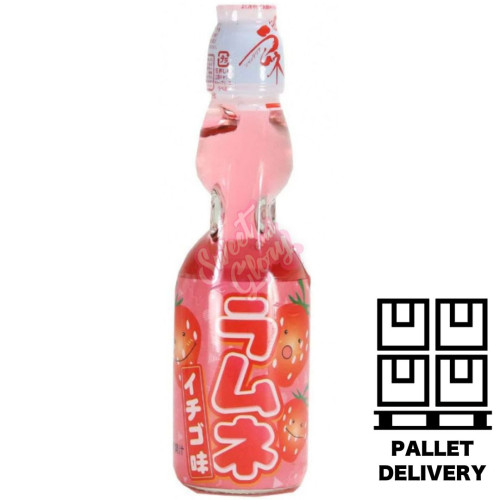
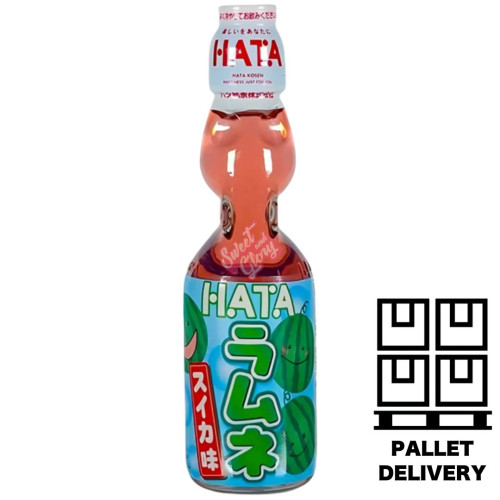
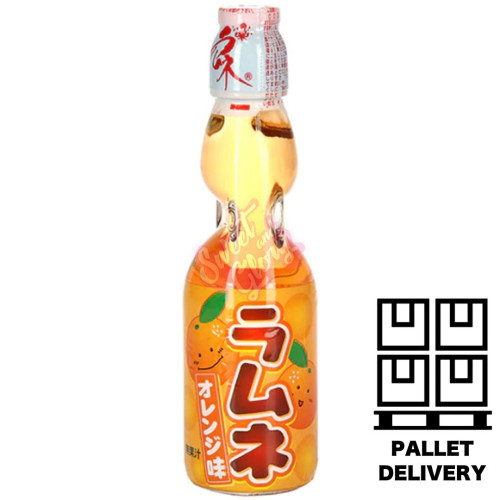
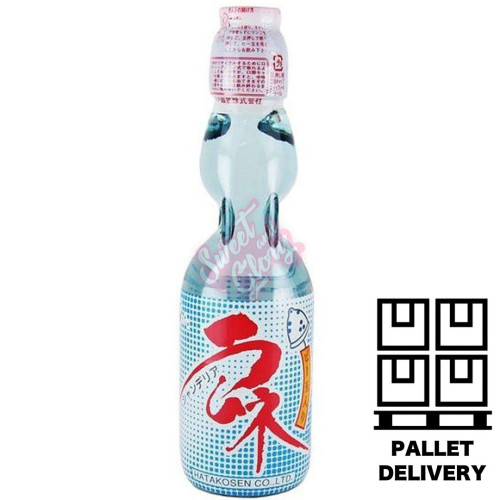
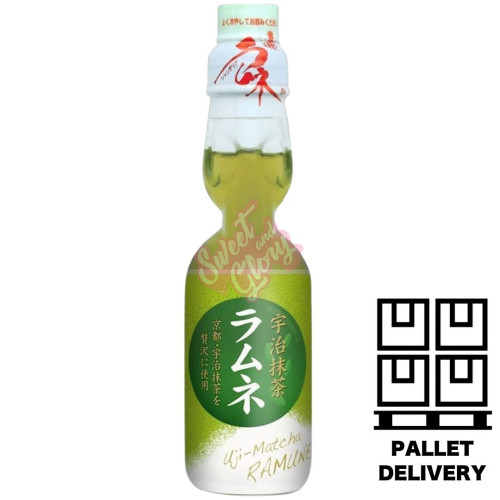
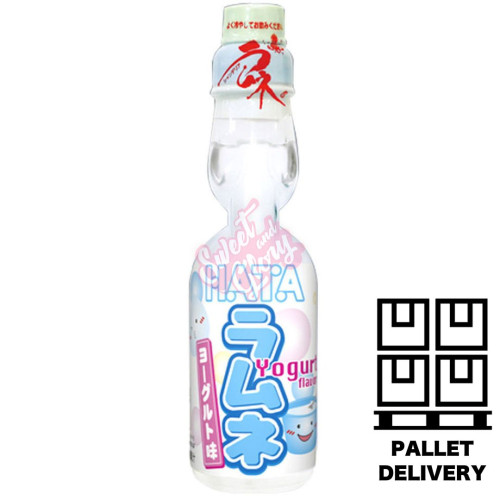
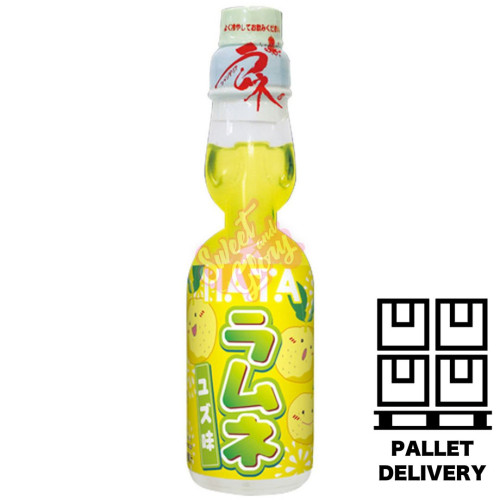
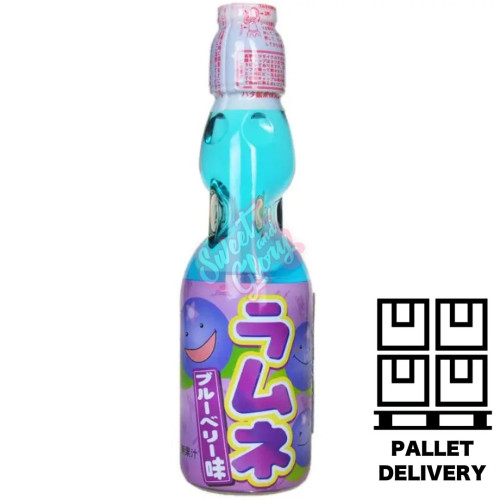
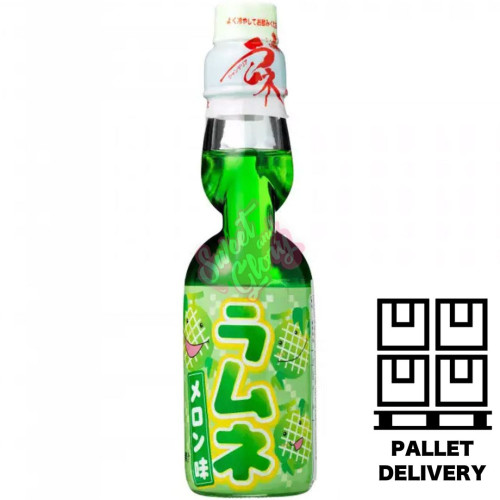
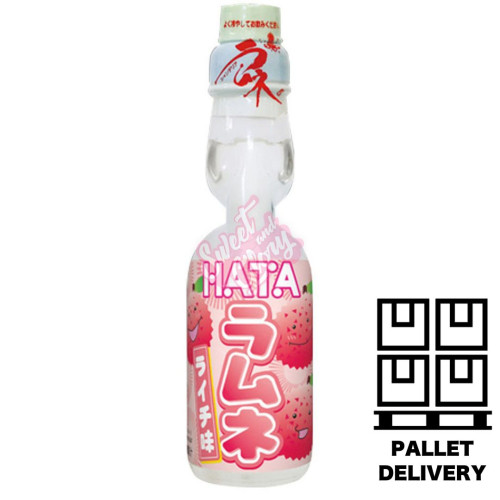
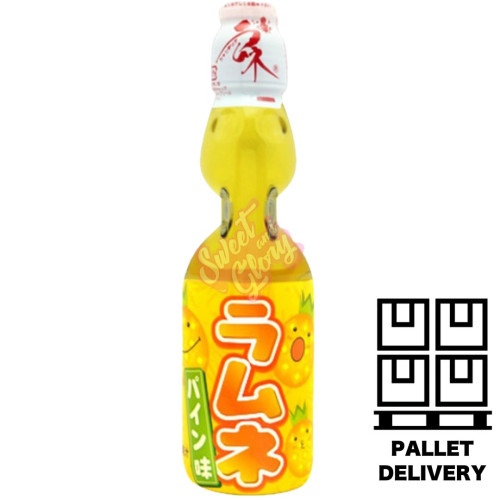
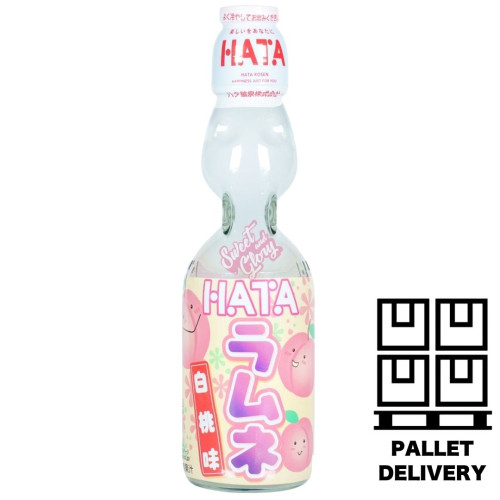
Hata Ramune — a drink protected by law from large manufacturers.
Ramune is not a brand. It is a category, and an unusually guarded one: Japanese business-protection legislation reserves its production for small and medium-sized enterprises, which means the large drinks corporations are excluded by law from making it. There is no multinational version. Every ramune on the market comes from a comparatively small Japanese producer, and Hatakosen is among the best known of them.
The bottle is the reason anyone remembers it. In 1872 the British engineer Hiram Codd patented a way of sealing fizzy drinks without cork: a glass marble held against a rubber gasket by the pressure of the drink itself. It works beautifully and it is a nuisance to manufacture, because the marbles have to be near-identical in size. When the crown cap arrived it was cheaper and faster, and the Codd bottle vanished from the West within a few decades. Codd himself died in 1887, before either half of that happened.
Japan kept it. A Scottish pharmacist named Alexander Cameron Sim was selling a carbonated lemonade in Kobe from 1884 — initially promoted as a defence against cholera, which did his sales no harm at all — and he sold it in Codd bottles. The Japanese called it marble soda, then ramune, from their own pronunciation of the English word lemonade. A century and a half later it is one of the only drinks in the world still sold in Hiram Codd's bottle, preserved in the country furthest from where it was invented.
Sweet and Glory stocks Hata Ramune wholesale for UK retailers.
The Hata Ramune Range
The drink comes in a single 200ml Codd bottle across a wide flavour range. Original is the lemon-lime that everything else developed from, and the rest runs from familiar fruits through to flavours that only really make sense in a Japanese context — yuzu, matcha, lychee, yogurt. In Japan the convention is that ramune can taste like anything; the bottle is the constant.
Alongside the drink there is a small range of ramune-flavoured confectionery, which carries the same flavour into sweets and gummies. Individual flavours rotate with each shipment, so it is worth checking the current range for what is in stock now. UK compliance labels are supplied with every order.
Why Stock Ramune?
Ramune sells on the bottle before anyone tastes it. Opening one is a small performance — push the marble down with the plunger, listen for the crack and the hiss, then the marble rattling in the neck as you drink. That is why it does so well on social media, and why it works as an experience product rather than simply a soft drink.
Commercially it reaches a customer most drinks fixtures do not. Interest in Japanese food and culture has grown steadily, and ramune is the entry point — recognisable from anime and games long before anyone has tried one. It suits Japanese and Asian sections, world food displays and anywhere with a younger customer base, and it holds a higher price point than its size suggests because people are buying the ritual as much as the drink. The flavour range also rewards stocking several at once: customers try one, then come back for a different one.
For the full history, the flavour breakdown and how the Codd bottle survived only in Japan, read our complete guide to Ramune.
Frequently Asked Questions
How do you open a ramune bottle?
Take the plastic cap off the top and separate it — the inner section is a plunger. Stand the bottle on a firm surface, place the plunger over the marble and push down hard and quickly. The marble drops into the neck with a sharp crack, and the drink is open. The neck has moulded ridges that catch the marble so it does not block the flow while you drink.
Why is there a marble in the bottle?
It is the seal. In a Codd-neck bottle the carbonation pushes the marble up against a rubber gasket in the neck, sealing the drink in without a cork or a cap. The design dates from 1872 and was abandoned everywhere else once crown caps arrived, because the marbles were difficult to manufacture consistently. Ramune is one of the last drinks in the world still using it.
What does ramune taste like?
The original is a sweet lemon-lime, often compared to bubblegum, and it is the flavour the name comes from — ramune is the Japanese pronunciation of lemonade. Beyond that the range covers a very wide spread of fruit and Japanese flavours, with no expectation that they resemble the original.
Where can I buy ramune wholesale in the UK?
Sweet and Glory supplies Hata Ramune wholesale across the UK with no minimum order, dispatched from our Manchester warehouse.
What is the minimum order for ramune wholesale?
There is no minimum order. The first parcel is free on orders over £150 ex VAT, with additional boxes charged at £7.10 each. Pallet delivery is free over £650 ex VAT. Everything is dispatched from our Manchester warehouse.
