
Pringles
Pringles is one of the world's most recognised snack brands, and the imported range runs far wider than anything British supermarkets carry. Sweet and Glory stocks American and Canadian Pringles wholesale for UK retailers, in flavours and formats that never reach mainstream retail here.
Filter By Category
- Nerds
- Nesquik
- Nestle
- Noomz
- Now & Later
- Nutter Butter
- Oreo
- Palmers
- Paw Patrol
- Peace Tea
- Pepsi
- Pop Rocks
- Popping Boba
- Pringles
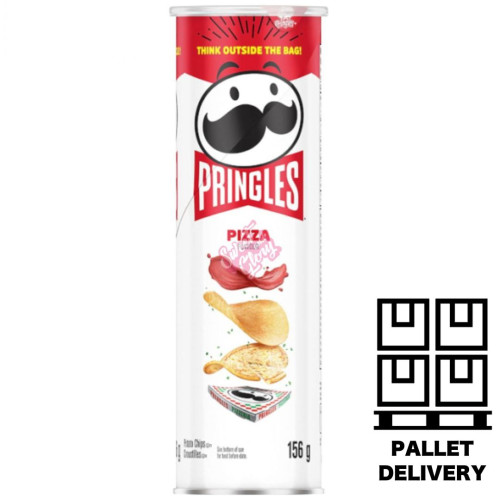
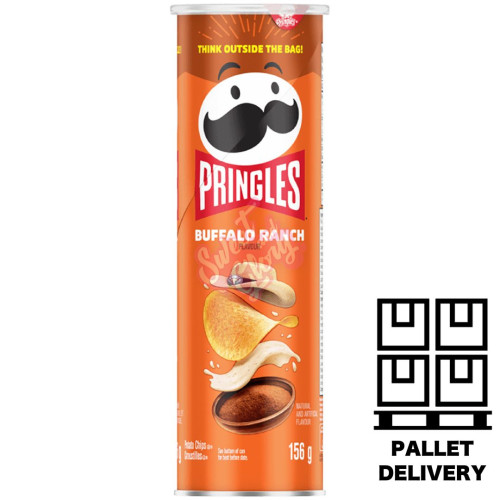
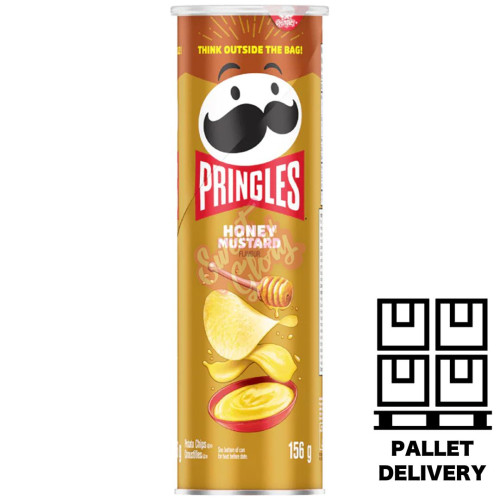
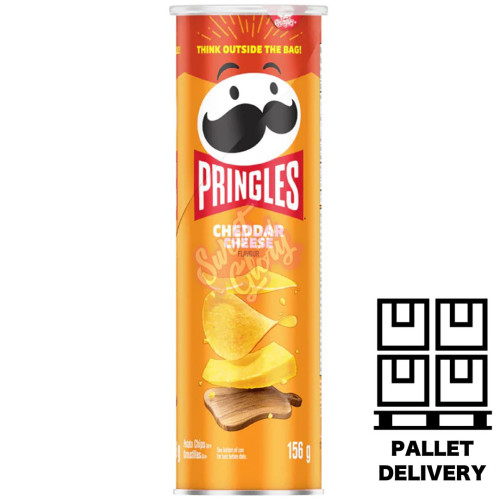
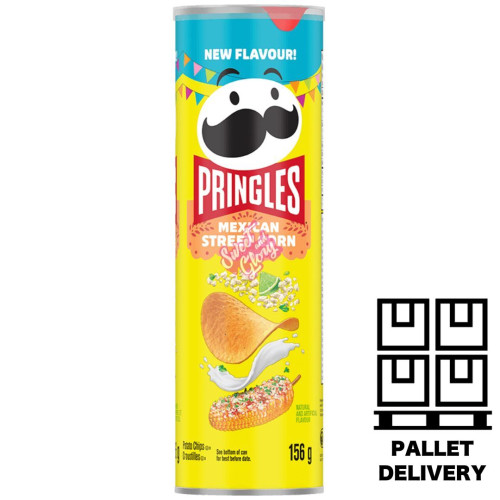
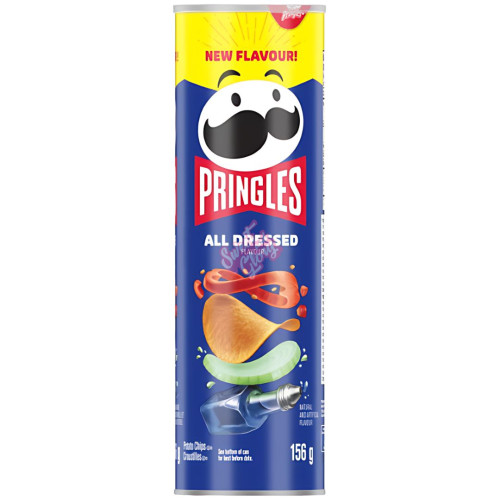
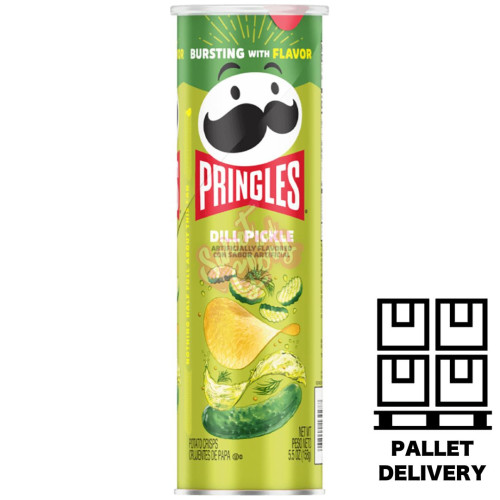
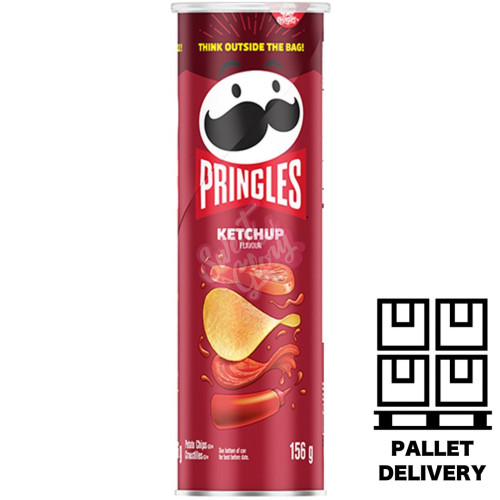
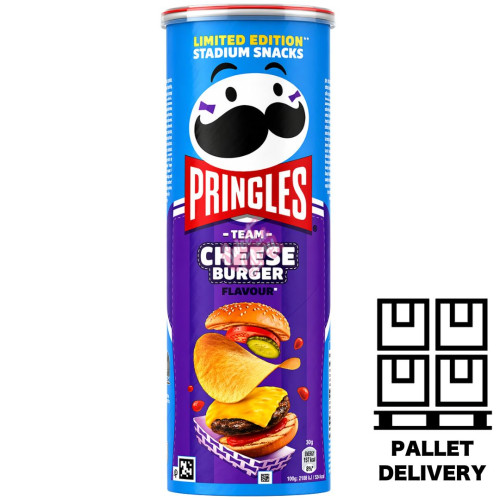
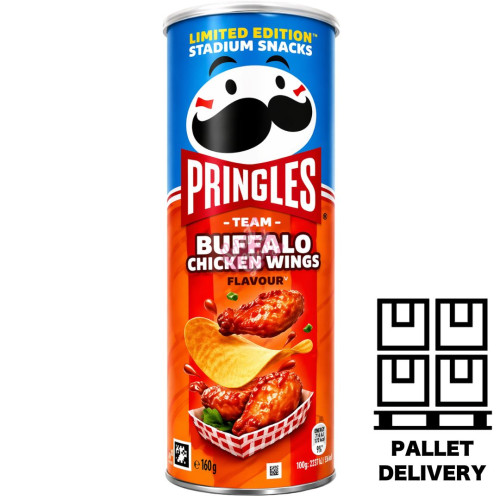
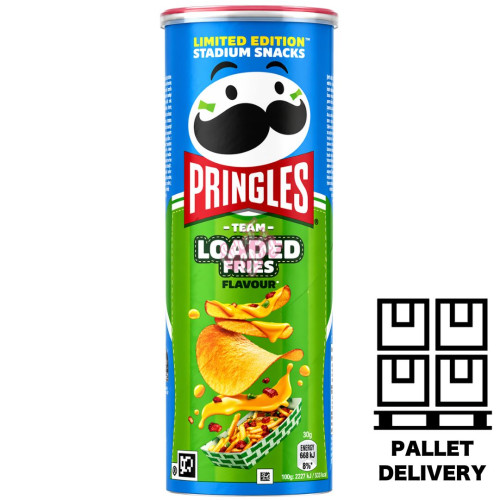
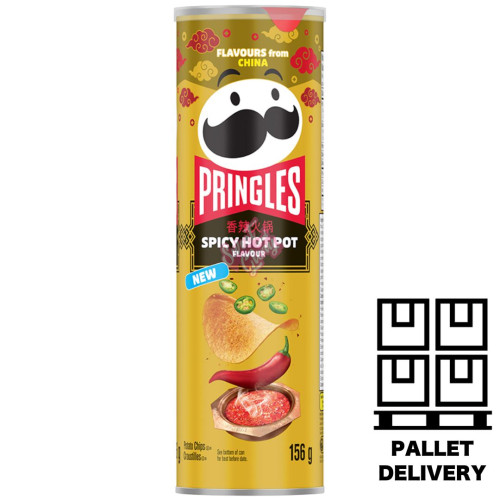
Pringles — the crisp that isn't a crisp, in flavours Britain never sees.
Fredric Baur was an organic chemist at Procter & Gamble, and in the 1950s he was handed a problem: crisps arrived broken, greasy and mostly air. His answer was to abandon the potato slice altogether. He built a saddle-shaped crisp from dough — a hyperbolic paraboloid, the only shape that stacks in a perfect column without cracking — and designed a tube to hold it. The engineering worked. The taste did not, and Baur was moved onto another brand before he could fix it.
It took another P&G researcher, Alexander Liepa, to make the thing edible in the mid-1960s, and it is Liepa's name that appears on the product patent rather than Baur's. The machine that actually cooks them was engineered with help from Gene Wolfe, better known now as a science fiction novelist. Three people, none of whom got full credit, and one of the most recognisable packages in the world.
Baur never forgot which part was his. When he died in 2008 at eighty-nine, his children buried a portion of his ashes in a Pringles can, at his own request. They stopped at a chemist on the way to the funeral home to buy one.
Britain has its own chapter in the story. Because UK VAT applies to products wholly or substantially made from potato, Procter & Gamble argued in court that Pringles were not potato crisps at all — too little potato, too much dough. They won at the High Court in 2008 and lost at the Court of Appeal the following year. The crisps are still called crisps, and they are still taxed.
Sweet and Glory stocks imported Pringles wholesale for UK retailers.
The Pringles Range
The imported range is built on flavours that never reach British shelves. Where UK supermarkets carry a handful of familiar varieties, the American and Canadian lines run to barbecue and smokehouse profiles, pickle and vinegar, cheese-led flavours, and a substantial heat category that includes the Hot Ones collaboration developed with the chilli sauce brand.
Formats matter as much as flavour. The standard imported tube sits between 155g and 165g and is the main event for American food buyers. Smaller cans work as impulse and meal-deal lines. Occasional runs arrive from further afield, and specific lines rotate constantly as import availability changes, so it is worth checking the current range for what is in stock now rather than working from a fixed list.
Why Stock Pringles?
Pringles is a brand nobody needs explaining. The tube is recognised on sight, which means the shelf does not have to work to introduce it — the only question a customer asks is which flavour, and that is exactly where an imported range earns its place. Someone who buys Sour Cream and Onion in a supermarket every week will still stop for a flavour they have never seen.
The format is unusually easy to merchandise. Tubes stack cleanly, take minimal shelf depth and display upright or on their side without any additional fixture. Grouping by heat level or by country of origin tends to work better than grouping alphabetically, because it gives browsers a reason to compare rather than just pick. The smaller cans sit well near a till, and the larger tubes suit a dedicated import section.
For the flavours that never reach British supermarket shelves and what each one actually tastes like, read our guide to Pringles flavours.
Frequently Asked Questions
Why are Pringles called crisps and not chips?
Because of an American regulatory ruling. Pringles launched as "Newfangled Potato Chips", and rival manufacturers objected on the grounds that they are made from dough rather than sliced potato. In 1975 the US Food and Drug Administration ruled that the word chip could only be used alongside a qualifier explaining the product was made from dried potato. Rather than print that on every tube, Procter & Gamble simply called them crisps instead.
Why is a Pringle that shape?
It is a hyperbolic paraboloid — a surface that curves upward in one direction and downward in the other. That geometry is what lets the crisps stack in a single column with each one supporting the next, so they survive transport instead of arriving as crumbs at the bottom of a bag. The shape is structural first and distinctive second.
What is the difference between UK and imported Pringles?
Mainly the flavour range. British supermarkets carry a small, stable selection, while the American and Canadian markets support a far wider and faster-rotating line-up, including seasonal releases and collaborations that are never distributed here. Pack sizes also differ, with imported tubes typically larger than the standard UK format.
Where can I buy imported Pringles wholesale in the UK?
Sweet and Glory supplies imported Pringles wholesale across the UK with no minimum order, dispatched from our Manchester warehouse.
What is the minimum order for Pringles wholesale?
There is no minimum order. The first parcel is free on orders over £150 ex VAT, with additional boxes charged at £7.10 each. Pallet delivery is free over £650 ex VAT. Everything is dispatched from our Manchester warehouse.
